
These algorithms can process vast amounts of dietary data, such as food intake records, nutrient content, and portion sizes, to provide precise insights into an individual’s eating habits. By crunching the numbers, AI can identify patterns and trends that might go unnoticed by traditional methods. In recent years, the proliferation of diet and nutrition apps has transformed the way we approach our health and wellness.
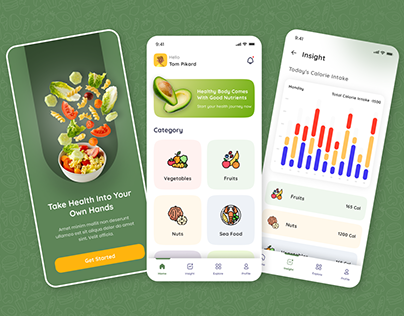
AI-Powered Fitness and Diet Recommendation System: A Personalized Approach to Health and Wellness
Recent studies found that ChatGPT’s recommended daily caloric intakes deviated from the target energy intake, with differences up to 20% [63,64,65]. However, when the target’s energy intake was specifically requested in the prompt, there was a significant reduction in caloric deviations from the optimal energy intake. Nevertheless, chatbots can still be improved https://www.mayoclinic.org/healthy-lifestyle/weight-loss/in-depth/weight-loss/art-20047752 to provide more personalised and accurate diet plans [67]. For example, a study proposed a three-turn iterative prompting approach to enhance the quality of food effect summarisation and provide more targeted meal plans [68].
Weight Tracking and Goal Setting
The urging of them to use more of the processed items reminds them to highlight the necessity of their clients having all-natural food sources in order to attain an appropriately balanced diet. Mobile apps, fitness trackers, and smart kitchen tools connect to AI to give instant feedback to help you make healthier choices with little effort. By application and hardware of AI-based, it is quite easy for any individual to keep track of all his consumption of food and can make a tally thereof very rapidly. So the person could log meals rapidly so as to see how many will be consumed in just a moment. On historical dietary data and markers of health, AI gives predictions related to the outcomes of health.
Collaborative AI and Healthcare Provider Integration
- Once nutritional deficiencies or imbalances are identified, AI algorithms can generate customized diet recommendations.
- Yes, there are mobile apps that use AI for meal tracking, recipe recommendations, and progress visualization.
- Whether an individual’s aim is to lose weight, improve their cardiovascular health, or control blood sugar levels, AI can provide recommendations that cater to these objectives.
- Based on the insights provided by assessing this data, these solutions help with creating personalized nutrition plans.
- With the rise of smartphones and wearable technology, we find ourselves in an era where information about food and nutrition is readily accessible at our fingertips.
- Integrating AI into weight management programs offers a dynamic and personalized approach to reaching and maintaining a healthy weight.
All you have to do is to give the AI-powered diet and nutrition app an input, and it will generate a recipe in no time. While generating the recipe, it can even consider users’ dietary restrictions and specific taste and culinary preferences like vegetarian, vegan, or non-vegetarian. With this data, AI personalized nutrition solutions can identify dietary habits, health history, and genetic information of each user. Based on the insights provided by assessing this data, these solutions help with creating personalized nutrition plans. Future designs of mobile fitness apps should consider personalized interventions, including but not limited to goals, push notifications, and displays. In addition, reviews on unimeal algorithms for goal-setting should take the complete history of the user as the basis to generate future interventions, particularly when the input and target metrics have high day-to-day variations.
Identification of Studies
AI takes personalized nutrition to the next level by creating tailored diet plans based on an individual’s unique dietary data. Once nutritional deficiencies or imbalances are identified, AI algorithms can generate customized diet recommendations. These plans are designed to address the individual’s health goals, whether it’s weight loss, muscle gain, or managing a chronic condition. AI-powered platforms, such as ZOE and DayTwo, exemplify the practical implementation of personalized nutrition, showcasing how data-driven insights can be harnessed to tailor dietary recommendations at the individual level.
Transform Your Habits with Nutrify
Historically, methods such as 24-hour recalls, food frequency questionnaires, and dietary records have been the mainstream of dietary assessments [2]. While these methods have provided invaluable insights, they have inherent limitations like recall bias, inaccuracies stemming from self-reporting, and the logistical challenges of frequent, detailed data recording [3]. The reviewed studies, however, highlighted the significant potential of AI to alleviate some of these concerns.
Features
Along with it, it also facilitates personalized AI suggestions based on your data, like weight, measurements, and nutrition goals. Based on this data, it offers personalized recommendations to achieve various goals, whether it be weight loss, metabolism healing, control over type 2 diabetes, and more. It points out which specific nutrients or vitamins are lacking so intervention in the key areas can be done. The personalized diet plan for the diet restricted people is very resourceful as it takes care of nutritional requirements as well as personal preferences and conditions. The food and nutrition industry has always relied on quantitative measures—calories, macros, vitamins, glycemic index. However, processing this data for millions of individuals, each with unique genetics, preferences, and health goals, is a colossal task.
These systems can incorporate various inputs, such as age, weight, activity level, medical history, and dietary restrictions to offer tailored recommendations. In the quest for optimal health and nutrition, AI diet planner emerges as a pivotal innovation, offering personalized, data-driven guidance to help individuals achieve their dietary goals. By harnessing the power of artificial intelligence, this AI diet planner provides tailored meal plans that adapt to your unique health needs and preferences, making healthy eating simpler and more accessible than ever before. Whether you’re navigating specific dietary requirements, aiming to improve your overall wellness, or seeking to manage a health condition through diet, AI Diet Planners stand ready to transform the way we think about nutrition. With their ability to integrate with other health apps and devices, they offer a holistic approach to dietary planning, ensuring that your journey towards better health is supported by accurate, personalized, and actionable advice. Eat This Much serves as a personal diet assistant, streamlining the process of meal planning and tracking for its users.
In addition, enhancing the collaboration between AI technologies and dietitians can help improve the accuracy and applicability of these tools. Specifically, 10 studies had sample sizes between 10 and 99 [16,17,19-22,26,30,31,37], 3 had between 100 and 199 [18,27,34], and the remaining 12 had sample sizes exceeding 300. Over the years, there have been notable advancements in AI-based dietary assessment. Early studies primarily focused on developing basic image recognition algorithms.
1. Identification of Studies
Wello is an AI platform for parents who are looking to instill healthy habits in their kids. Apart from offering personalized dietary plans for kids as well as parents, these apps offer a kid-friendly user interface and also have integrated gamification and social engagement modules. One of the prominent AI in nutrition examples of a platform offering a really amazing and effective personalized nutrition plan is Twin Health.
How to Set Up the Diet Recommendation System Locally
Personalization in nutrition apps is expanding into new territories, incorporating genetic data, microbiome analysis, and detailed lifestyle factors. By combining these diverse data sources, apps can create extraordinarily tailored nutrition guidance that feels almost intuitive in its accuracy. The app provides detailed food logging with comprehensive macro breakdowns and delivers instant insights after meals. It truly shines in recommending recipes based on foods that have previously given you positive metabolic responses. In the rapidly evolving landscape of AI in nutrition solutions, transforming innovative concepts into market-ready applications requires specialized expertise.
The AI diet planner app utilizes the proprietary points system to help users make healthier food choices, encouraging them to opt for more nutritious options while staying within their daily points limit. It offers a comprehensive food database, allowing users to log meals and snacks with ease. Additionally, WeightWatchers integrates activity tracking, offering incentives for physical exercise through fitness points. The AI diet planner app also fosters a supportive community, giving users access to group meetings and one-on-one coaching sessions. This holistic approach not only aids in weight loss but also promotes long-term healthy habits. Perfect Body Meal Planner functions as an AI diet planner and a digital dietitian, creating customized meal plans based on a user’s dietary preferences, lifestyle, and health goals.
What does ControlMyWeight do?
Additionally, future studies could examine the cultural appropriateness of chatbot-generated diet plans. This would involve evaluating how well these tools adapt to dietary habits, food availability, and cultural preferences across diverse populations. Moreover, expanding the scope of evaluation to include higher-calorie diets, maintenance diets, or diets for specific health conditions could provide a broader understanding of the applicability of these tools in varied contexts. Assessing not only the nutritional metrics but also the feasibility, palatability, and user satisfaction of AI-generated meal plans would offer a more comprehensive evaluation of their utility.