
The fascinating historical evolution of gambling practices across cultures
Origins of Gambling in Ancient Civilizations
The roots of gambling can be traced back to ancient civilizations, where various forms of chance and risk-taking were part of cultural and social practices. Archaeological evidence suggests that gambling existed in Mesopotamia, with the discovery of dice dating back to around 3000 BCE. The ancient Egyptians also engaged in gambling activities, often involving betting on games of chance, as reflected in their art and writings. These early practices laid the groundwork for the complex gambling traditions that would follow, including the rise of online casinos in modern times.
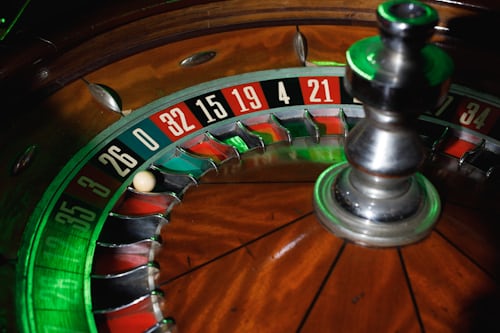
In addition to Mesopotamia and Egypt, ancient China played a significant role in the evolution of gambling. Archaeological findings indicate that rudimentary forms of gambling, including games using tiles, were present as early as the Shang dynasty. These activities were often intertwined with religious rituals, emphasizing the cultural significance of gambling as more than mere entertainment.
The Influence of Gambling in Classical Antiquity
The Greeks and Romans further developed gambling practices, integrating them into their social fabric. The Greeks invented various games of chance, including the popular game of knucklebones, which is an ancestor of modern-day dice. Gambling in ancient Greece was so prevalent that it even found its way into their literature and mythology, reflecting the widespread acceptance of betting as a recreational activity.
Meanwhile, the Romans embraced gambling to a significant extent, with organized betting on gladiator fights and chariot races. The establishment of public games created a thriving gambling culture that attracted crowds and promoted the betting economy. This period also saw the introduction of structured gambling laws, which began to regulate betting practices, demonstrating an early attempt at managing the societal impacts of gambling.
Medieval and Renaissance Gambling Practices
The Middle Ages brought a shift in gambling attitudes, where games were often associated with the nobility and royal courts. Card games gained popularity, evolving from early playing cards that were introduced to Europe from Asia. The emergence of games like poker and blackjack can be traced back to this era, which established a connection between gambling and social status, as the wealthy engaged in high-stakes games.
During the Renaissance, gambling flourished further as the emergence of casinos transformed the gambling landscape. Venice’s Ridotto, established in the early 17th century, is often considered the first official casino, offering a controlled environment for gamblers. The period marked a transition towards more formalized gambling venues, which laid the foundation for the modern casino industry we recognize today.
Gambling Practices in the Modern Era
The 19th and 20th centuries saw gambling practices undergo significant transformations, with the establishment of large-scale casinos in cities like Las Vegas and Monaco. The modern casino embodies a mix of luxury, entertainment, and risk, attracting millions of visitors each year. Technological advancements, including the introduction of electronic gaming machines, have revolutionized the way people gamble, making it more accessible and appealing to a wider audience.
Additionally, the rise of online gambling has further changed the landscape. The internet has enabled individuals to participate in gambling activities from the comfort of their homes, leading to a surge in popularity for virtual casinos and betting platforms. These developments have sparked discussions regarding regulation, responsible gambling, and the ethical implications of such accessibility.

Healthcare Home: Supporting Responsible Gambling
At Healthcare Home, we recognize the importance of understanding gambling practices not just from a historical perspective but also in the context of health and well-being. As gambling continues to evolve, it’s crucial to address the potential risks associated with gambling behaviors, particularly with the rise of online platforms.
Our website is dedicated to providing comprehensive information on health-related issues, including resources for responsible gambling. We aim to empower individuals with knowledge and tools to make informed decisions, ensuring that gambling remains a safe and enjoyable activity. Join us in fostering a balanced approach to gambling and enhancing well-being for everyone.